Emergency Preparedness For a Hurricane

Those who live in the coastal communities can expect to be battered by hurricanes.
The Hurricane Season
The Atlantic hurricane season officially runs from June 1 through November 30, although tropical cyclones can occasionally occur outside those dates. The peak of Atlantic hurricane activity typically occurs around September 10. Regardless of the seasonal forecast, preparedness is worthwhile because seasonal outlooks cannot reliably predict whether or where a particular community will experience a hurricane or tropical-storm impact.
Areas of Risk
Hurricanes and tropical storms are a worldwide phenomenon. The storms affecting the United States and the Caribbean are called hurricanes while the storms in the Pacific are called typhoons and tropical storms in the Indian Ocean are designated tropical cyclones. Low lying coastal areas are at increased risk but inland areas as far as 200-300 miles can still suffer heavy damage. In the United States the coastal areas of the Southeast are at risk and all areas of the Caribbean Sea and Gulf of Mexico have historically seen extensive storm damage; areas as far north as Massachusetts and Rhode Island have suffered direct hurricane hits.
There is nothing anyone can do when nature decides to leash out its fury. There is no way to stop it. Therefore, people should brace for the worse and be prepared to seek shelter. In order to minimize the loss of life, most towns and cities have created emergency plans.
When a hurricane is first spotted on radar, the forecaster will begin to inform the public about it. There is no need yet to panic here since the weather conditions may change in the next few hours and days, but if there are no improvements, it is time to activate emergency procedures.

Sirens are placed in strategic locations to announce a major evacuation. The emergency broadcast system is in place in the event that power and electricity has been cut off as well as stockpiles of food, water and medicine.
For those who remain in place during a storm, advance preparation is required in order to survive the aftermath of the storm. This requires stockpiling of the proper supplies prior to the storm because demand for supplies immediately before a storm increases rapidly and shortages occur. Therefore, advance preparation is the key to survival success.
People will rush to the supermarket to stock up on food, water and other essentials. These include candles, batteries for the radio and the flashlight as well as fuel for the generator. I recommend you should stock up these items long before any emergency emerges.

The hurricane may pack winds exceeding more than a 100 miles per hour that can make cars, pieces of metal or wood cause severe damage to the home. Most households are familiar with boarding up the windows and doors of the house with hurricane shutters and plywood.

You can likely expect power outages caused by downed trees and power lines. Hurricane Dorian produced sustained winds at 180 MPH and there were some reports of winds exceeding 200 MPH.
Power outages not only affects individual households, but also the infrastructure in the area. Water pumps can fail preventing them from pumping sewage and water. Emergency services can be negatively impacted by power outages as well with lost communications.
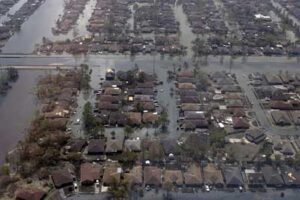
While wind damage seems to get most of the press, more deadly is the flooding caused by the storm surge.
Importance of Preparedness
Everyone who lives in the household can rehearse the emergency preparedness plan to see if some improvements need to be made. Once the hurricane strikes will be too late to prepare as you’ll have no choice but to hunker down and wait for the storm to pass. The aftermath of the storm can last much longer than the storm itself so you had better be prepared to sustain you and your family without all the conveniences you’re accustomed to.

A Survivor’s Guide to Emergency Preparedness:
How to Prepare for Hurricanes, Power Outages, Nor’easters, and Other Storm-related Emergencies
When a storm emergency threatens, it may already be too late. A storm that threatens your life, your property, and your state of mind does irreparable damage to your soul How you prepare for a storm emergency – especially a hurricane – determines how well you survive. This book covers many check lists for individuals, families and for our beloved pets and is a must have for hurricane season.
Emergencies and disasters can happen anytime, anywhere without warning.
Protect yourself and your family and get prepared now!
Click to see these valuable emergency preparedness supplies.
Should the incoming hurricane be classified as a category 4 or 5, residents are advised to evacuate and seek higher ground.
Planning ahead is vital to ensuring that you can evacuate quickly and safely.
For those who live in hurricane prone areas, you’re advised to know your evacuation zone. You don’t want to be trying to figure out your escape route in the midst of the chaos and confusion often associated with the arrival of a major hurricane.


You should have a go-bag you can carry when you evacuate or re-locate to a shelter. You may need more supplies for traveling longer distances if you have a personal vehicle.
It will be a good idea to travel light so only a few pieces of clothing, food and water must be brought into the vehicle.
- You are also advised to drive slowly and avoid panicking since this could cause accidents on the road.
- Always follow the instructions of local officials.
After Hurricane
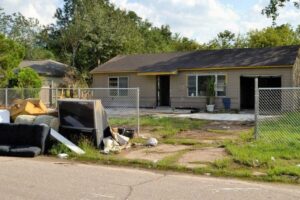
The hurricane will pass within a few hours and people will begin to return to their homes and see how much damage was done.
It is only after assessing the damage that towns and cities can say whether the emergency preparedness procedures that were sent in place were effective or not. One indication that it works is if no casualties are reported. This is because a house or even a building can be repaired but the life of an individual can never be replaced.
Emergency preparedness is key to ensure the survival of everyone present. People who live through this annually know what to do but those who are moving into the community should learn fast to be able to survive the onslaught of the hurricane.