Potential Food Shortages in America – What You Need to Know and How to Prepare

In recent years, concerns about food shortages in America have been making headlines. From supply chain disruptions and labor shortages to extreme weather events and rising costs of fuel and fertilizer, the factors influencing our food supply are complex and interconnected. While grocery store shelves are still stocked for now, experts warn that certain products may become harder to find—or more expensive—over the coming months and years.
What’s Causing Potential Food Shortages?
There isn’t just one reason for possible shortages; instead, it’s a combination of factors:
-
Supply Chain Disruptions – Transportation delays, port congestion, and shortages of truck drivers can slow the movement of goods from farms to stores.
-
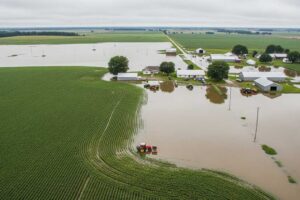
Extreme Weather – Droughts, floods, and hurricanes have damaged crops and reduced yields in key agricultural regions.
-
Rising Production Costs – Fertilizer, fuel, and animal feed prices have surged, forcing some farmers to scale back production.
-
Global Events – Conflicts and trade restrictions in other parts of the world can reduce the availability of imported goods Americans rely on.
Which Foods Could Be Affected?
While a full-scale nationwide shortage is unlikely, certain items could see supply disruptions or higher prices. These may include:
-
Grains – Wheat, corn, and rice could be impacted by poor harvests and higher export demand.
-
Meat and Poultry – Processing plant labor shortages and higher feed costs can limit supply.
-
Dairy Products – Increased production costs could make milk, cheese, and butter more expensive.
-
Fresh Produce – Weather-related crop losses may cause seasonal shortages.
How to Prepare Without Panic
Being proactive is different from panic buying. Here are some smart steps you can take:
-
Stock Up Gradually – Purchase a few extra non-perishable items each time you shop.
-
Diversify Your Pantry – Store a variety of grains, canned goods, and protein sources.
-
Learn Food Preservation Skills – Freezing, dehydrating, and canning can help extend shelf life.
-
Support Local Farmers – Buying directly from farms or farmers markets can reduce reliance on long supply chains.
The Bottom Line
While America is not on the brink of widespread famine, targeted food shortages and price increases are possible. Staying informed, making small adjustments to your shopping habits, and building a modest emergency food supply can help you feel more secure—no matter what the future brings.