Hurricane Disaster Planning: Emergency Water & Survival Supplies

A hurricane can leave you without electricity, transportation, communications, and safe running water long after the storm has passed. Preparing before the storm arrives gives you more options when stores are closed, roads are flooded, and local water supplies may be unsafe.
The Atlantic hurricane season runs from June 1 through November 30, peaking around September 10. Coastal and low-lying areas face the greatest risk, but hurricanes can cause flooding, damaging winds, power outages, and water disruptions hundreds of miles inland. If you live in a hurricane-prone area, know your evacuation route and keep several days of water, food, medications, lighting, and communication supplies on hand.
Hurricanes are Serious Events
Anyone who has experienced a hurricane will attest to the fact that these are serious weather events.
 Hurricanes can cause dangerous winds, storm surge, flooding, power outages and disruptions to water service. Even storms that are not classified as major hurricanes can create serious local impacts.
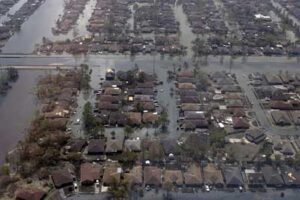
In 2005 a category 3 storm (Katrina) destroyed a large portion of New Orleans and, notwithstanding substantial Federal Government aid, the area has yet to fully recover. In 2004 a deadly category 5 storm (Ivan) destroyed many of the homes and buildings on a number of islands in the Caribbean and the coastline of the Gulf of Mexico. Ivan was particularly dangerous with 24 hours of sustained winds of 165 mph and wind gusts recorded as high as 207mph. With a storm surge of over 20 feet, approximately 1/3 of a particular island was covered by water and disappeared from radar as the storm passed.
Hurricanes generally result in at least some loss of life both at sea and on land even for relatively minor storms, however major storms can be much more devastating. At the turn of the twentieth century, an unnamed storm took the lives of between 6,000 to 10,000 people in Galveston, Texas. The worst recorded loss of life resulted from a tropical cyclone that hit East Pakistan (now Bangladesh) with over 200,000 lives lost.
At a minimum, hurricanes result in the loss of water service, electrical power and communications for a period of time during and after the storm. Frequently, this period can extend for weeks and even months in some cases.
For those who remain in place during a storm, advance preparation is required in order to survive the aftermath of the storm. This requires stockpiling of the proper supplies prior to the storm because demand for supplies immediately before a storm increases rapidly and shortages occur. Therefore, advance preparation is the key to survival success.
A Three Step Disaster Plan
In order to survive a hurricane disaster, proper planning is critical and takes enormous effort. In addition to assembling supplies as early as possible, a plan must be devised and also practiced. FEMA and Ready.gov recommend building an emergency supply kit, making an emergency plan and staying informed about hazards and evacuation instructions.
1) Collect disaster supplies
 The devastation incurred by Hurricane Katrina or Maria is graphic evidence of just how destructive natural disasters can be. Those affected were without electricity, water, domestic gas, telephone and even shelter. To be prepared, collect the following items and store them so that they will easily be found in the event of an emergency — but not so easily that you end up depleting the supplies without realizing it. Some people store these items in a section of the basement or a closet that is used infrequently. Decide what will work best for you.
Water & Food
- Bottled water (1 gallon per person per day; three-day supply ideal)
- Water purification supplies
- Food (canned goods and other nonperishable items that do not require cooking)
- Manual can opener
- Eating utensils (plastic or disposable)
- Pet supplies and carrier (include food, water, leashes and records of shots)
Communication & Power
 Battery-powered or hand-crank radio, preferably including NOAA Weather Radio capability, with extra batteries and/or another reliable charging method.
- Flashlight with extra batteries
- Power banks
- Cellular phone and/or a portable amateur radio (with non electrical charger, such as a car charger, solar panel, or AAA battery pack)
- Charging cables
Medical & Hygiene
- First-aid kit
- Medications (three-day supply of all daily medications)
- Toiletries (soap, toothpaste, toothbrush, etc.)
- Paper towels, toilet paper and sanitary products
- Masks
- Clothing and underwear
Documents & Money
- Identification
- Insurance information
- Emergency numbers: local, state and federal
- Phone numbers of friends and family
- Cash: Keep some cash available because ATMs and credit-card processing may be unavailable during power or communications outages. I personally suggest also having some gold or silver in case fiat cash becomes worthless.
- Financial inventory (a list of bank and investment accounts, mortgages and loans, including account numbers and location of original documents)
- Medical information (list of your medications, any chronic conditions and medical history)
- Important Documents (driver’s license, passport, birth certificate, etc.) in a waterproof container
Tools & Safety
- Masking tape, duct tape
- Plastic sheeting
- Trash bags
- Work gloves
- Tools (can opener, knife, pliers; a Swiss army knife may suffice)
- Scissors
- Whistle
- Fire extinguisher
- Waterproof containers
- Sleeping bags or blankets (one per person)
2) Create a portable supply kit
In case you have to evacuate your home, it is good to put the supplies you think you would need the most in a portable container or go bag. Some people try to fit all of the supplies listed above in a large rolling trashcan with a lid or a large rolling cooler. Another option is to store the items in several small coolers or boxes. Think about what supplies you need, what you can reasonably carry or store in your car, and how many people will be available to help you transport the supplies.
3) Develop and practice an emergency plan
 All the planning in the world will not do much good if you do not prepare ahead of time. Not only does this enable you to go through your plan while you are calm and thinking clearly, but it also enables you to modify it before you have to put it into action.
Don’t wait until a hurricane is at your doorstep to decide whether you will evacuate. Know your evacuation routes, identify possible destinations, and understand local evacuation instructions before the storm arrives..
- Identify emergency evacuation routes and shelters in your community and near your workplace.
- Decide where family members should meet if you are separated in an emergency.
- Identify a backup location to meet at, in case the first location is impossible to reach.
- Identify a point-person in the family who will serve as the central contact to call in case of confusion.
- Choose an out-of-state friend or relative to serve as a backup contact, in the event that local lines are tied up or out of service.
- Provide every member of the family with a cellular phone or prepaid phone card to make sure they can make a call in the event of an emergency.
- Consider family members with special needs while making plans. (For example, who will help someone in a wheelchair?) Do not forget your pets, either. (For example, where can you leave pets if you have to evacuate to a hotel that does not allow them?)
- Practice the plan at least once per year.
.
Water is Critical
Of all the supplies listed the most critical by far is an adequate supply of drinking water.
 Everything else (including food) is secondary to water because the body needs a large and continuous supply of fresh water. After a hurricane, water service will likely be interrupted for lengthy periods of time because of lack of power and the fact that existing water supplies are often polluted. Pure and fresh water is mandatory to ensure proper hydration and avoid disease spread through polluted water.
The CDC currently recommends storing at least 1 gallon of water per person per day for at least three days. Commercially bottled water is described as the safest and most reliable emergency source. Consider storing more if you have the space and your household’s needs warrant it. Remember to account for pets and people with special needs.
What If Your Tap Water Becomes Contaminated?
Water is essential for survival; however, if you find yourself surviving a hurricane, the water you may find might not be safe to drink. Drinking unclean water can cause serious, life-threatening illnesses. Never assume water is safe to drink simply because it looks clean. After a hurricane or flood, water can contain disease-causing organisms, sewage, chemicals or other contaminants. Follow instructions from local health authorities. If authorities say your water is unsafe, use bottled water or follow approved treatment instructions. Boiling or disinfecting water can kill many microorganisms but does not remove every type of chemical contaminant.
Important: Filtering and disinfecting water are not always the same thing.
Some filters are designed primarily to remove particles, bacteria, protozoa or other specific contaminants. They may not remove viruses, chemicals, heavy metals or other dissolved contaminants. For example, the LifeStraw is a pocket-sized water filter that reportedly filters 99% of water contaminants. Always know what your particular filter is designed to remove and follow the manufacturer’s instructions.
If local authorities issue a drinking-water advisory, follow their instructions. When possible, use commercially bottled water.
In addition to filters, you should have available drinking water germicidal tablets.
 It would be helpful to also have a way to heat water for cooking or purifying. Watch my review of the Coleman Bottletop Propane Camping Stove.
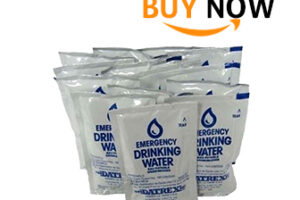
Plan to collect and store water supplies that exceed the minimum and use the highest quality water possible. Commercially bottled water can provide a convenient long-term emergency supply when stored properly. Follow the manufacturer’s storage recommendations and rotate your supply as appropriate.
Estimate supplies for more than your immediate needs because in times of emergency and hurricanes many people move to safer structures or higher ground, which may burden existing supplies of safer locations.
Don’t Wait Until the Storm Is Coming
The best time to prepare for a hurricane is before one is approaching. Start with the basics: safe drinking water, food, communication, lighting, first aid and a plan for evacuation.
Water should be one of your first priorities. If the power goes out or your local water supply becomes contaminated, the supplies already in your home may be the supplies your family depends on.